New Challenges in Higher Education and AEC sector in the age of AI
We welcome all eCAADe 2026 participants to discuss computational education and pedagogy, to talk about challenging the gap between academia and practice, about up-skilling and lifelong learning. We will debate on the role of BIM and AI in relation to design and fabrication processes as well as their potential for a circular construction economy. In particular, the session will explore how AI can be meaningfully integrated into architecture education, including design studios, digital design curricula, research methods, ethics, assessment, and professional competencies.
The short statements at the beginning proposed by invited panellists are to open topics for discussion, to make the Roundtable structured at the start, and to provoke you, the eCAADe community, to share your experience and thoughts. We want to hear your perspective in the discussion part!
Let’s make the Roundtable a place of open and dynamic debate together!
Moderator:
Anetta Kepczynska-Walczak
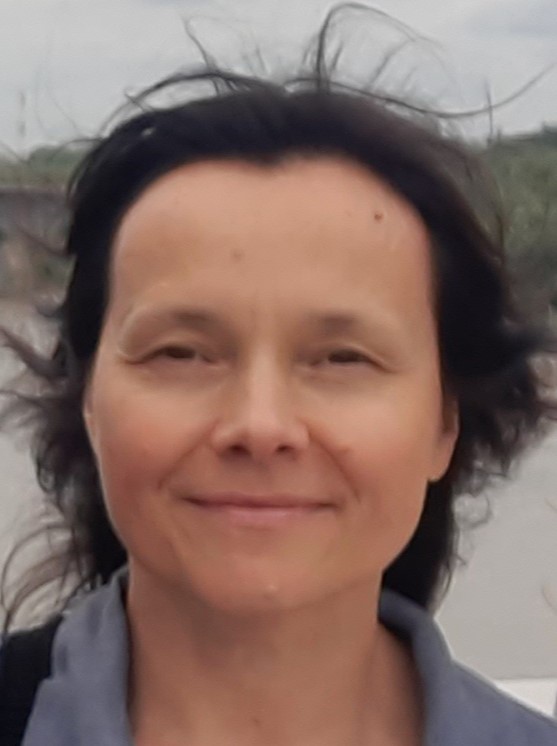
Anetta Kepczynska-Walczak is Full Professor and Head of Digital Technologies in Architecture and Urban Planning at Lodz University of Technology (TUL) in Poland. Since 2025 she has been serving as eCAADe President. She coordinated BIMaHEAD Erasmus+ Strategic Partnerships Project at TUL. She is currently implementing two Horizon Europe grants, NEBA Alliance and WoodStock, aligned with the goals of the New European Bauhaus. She was the host of the 36th eCAADe Conference ‘computing for a better tomorrow’ in 2018 in Lodz, Poland.
Panellists:
Birgül Çolakoğlu
Topic: From BIM Modelling to Lifecycle Intelligence: Rethinking the Academia–Practice Gap
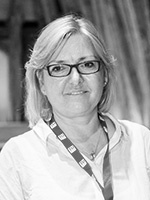
Birgül Çolakoğlu earned her PhD in Design and Computation from MIT in 2000 and completed postdoctoral research at the MIT Department of Architecture in 2001. She is currently a Professor in Architectural Design and Computing at Istanbul Technical University, where she previously served as Head of the Department of Architecture and Coordinator of the Master’s in Architecture Program, and founded the Circularity in Built Environment Research Group in 2020. Her research focuses on computational design and education, circular design, and digital design technologies, and she served as President of eCAADe from 2018 to 2020.
Farnaz Fattahi
topic: Building a Learning Ecosystem: Lifelong Learning as the Bridge Between Academia and Practice
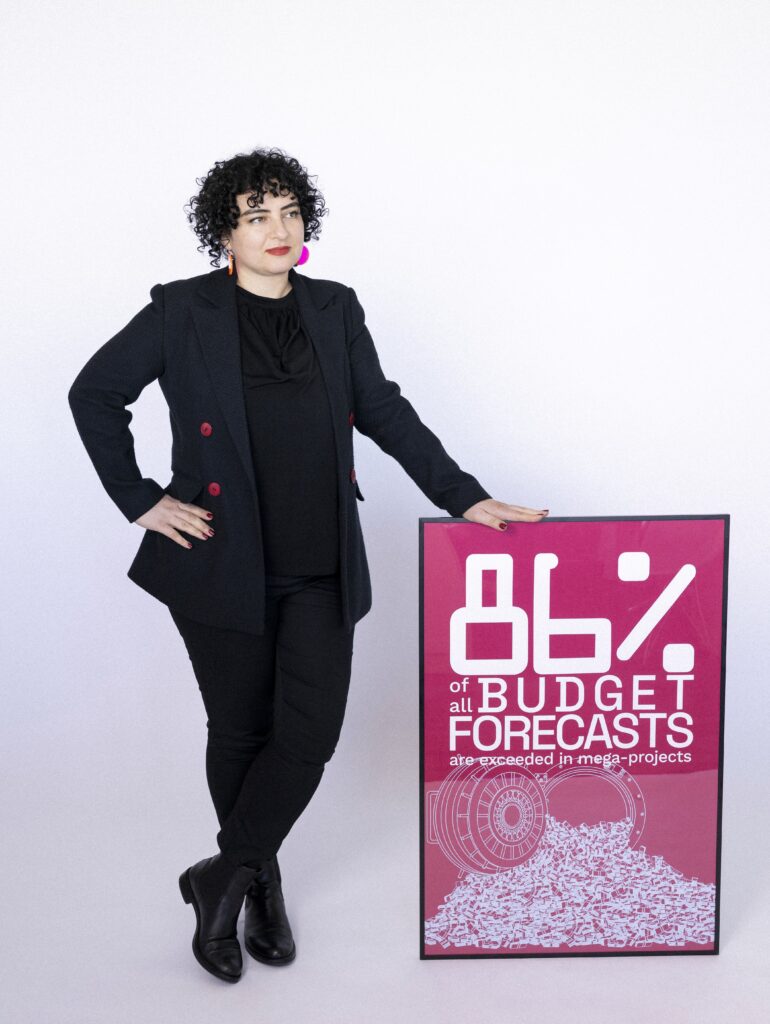
Dr Farnaz Fattahi is a computational design and architecture academic, educator, and Continuing Professional Development (CPD) knowledge-transfer lead with more than 12 years of experience across teaching, research, and architectural practice. Her work focuses on translating emerging digital technologies into architecture through education, professional learning, and industry engagement, while advancing research in experimental and critical spatial practices. As CPD Lead at Arch_Manu, she develops and leads professional learning programs in digital sustainability, artificial intelligence, and advanced manufacturing for the architecture, engineering, and construction (AEC) sector.
Paula Gómez
topic: Adaptative Resilience: Applied Research for Intelligent Infrastructure Ecosystems

Paula Gómez (Ph.D.) is a Principal Research Engineer at Georgia Tech Research Institute (GTRI), leading Systems Modeling efforts in Resilient Infrastructure research. As President of SIGraDi, she fosters international collaboration in Computational Design, bridging academia and professional practice through applied research. She has contributed to scientific committees for SIGraDi, eCAADe, ASCAAD, ACADIA, SimAUD, and CAAD Futures, and has served as guest editor for the International Journal of Architectural Computing (IJAC) from 2018 to 2022.
José Pedro Sousa
topic: Artificial Craft: Delegating Design Know-How in Architecture
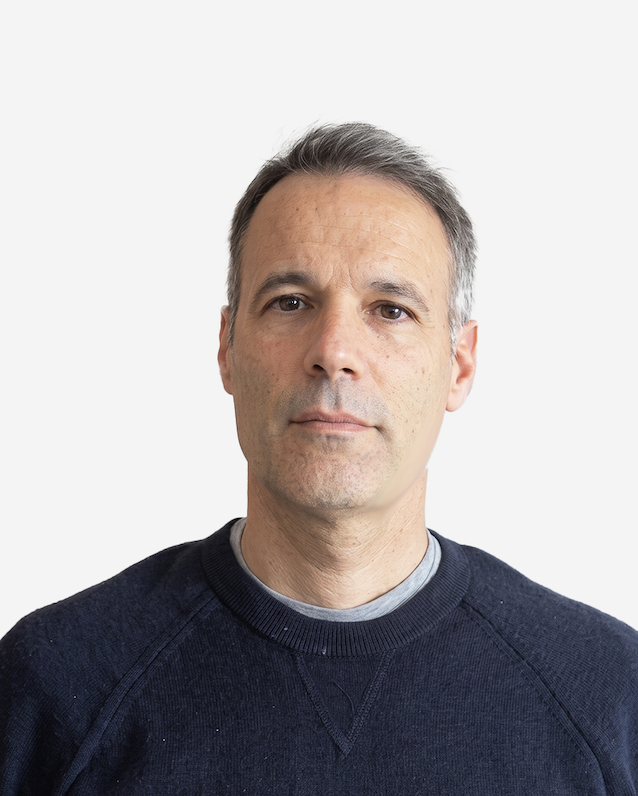
José Pedro Sousa is Vice-Dean and Associate Professor with Habilitation at FAUP (University of Porto), directing the Digital Fabrication Lab (DFL) and serving as Vice-President of eCAADe. His research focuses on computation, robotics, and applied innovation in the AEC sector, working closely with industry partners and European Commission initiatives.